
Mental stimulation is often recommended for anxious dogs, but not all stimulation helps. In fact, the wrong kind can make anxiety worse.
This article explains how anxiety changes the way dogs process enrichment, what types of mental stimulation actually help anxious dogs, and which common activities are better avoided.
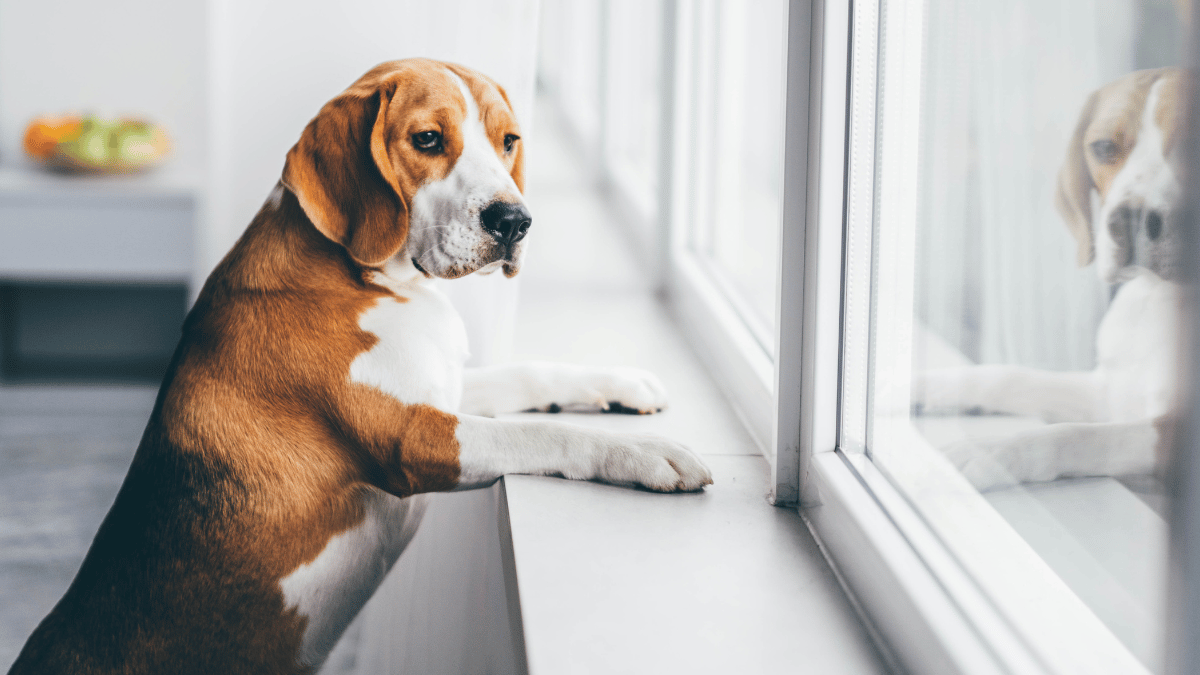
Why anxious dogs experience stimulation differently
Anxious dogs are already operating with a heightened nervous system. Their brain is scanning for threats, not looking for challenges.
When stimulation is too fast, too difficult, or too unpredictable, it can:
- Increase frustration
- Raise arousal levels
- Make it harder for the dog to settle afterward
For anxious dogs, mental stimulation should lower stress, not test limits.
Signs mental stimulation is not helping
Owners often assume any activity is better than none. That’s not always true.
Warning signs include:
- Panting during enrichment
- Frantic pawing or biting
- Abandoning the activity halfway through
- Increased restlessness afterward
These signs mean the activity is too much, not too little.
What mental stimulation should do for anxious dogs
Helpful enrichment creates:
- Predictability
- Control
- Slow engagement
The goal is not to tire the dog out. The goal is to help the nervous system downshift.
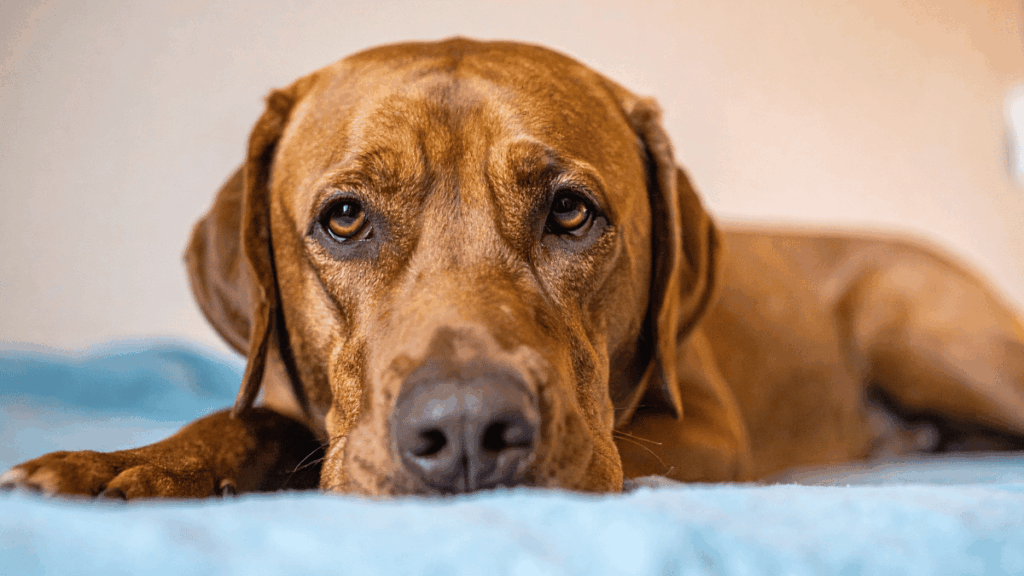
Calming types of mental stimulation
1. Sniffing without pressure
Sniffing is one of the most regulating activities for anxious dogs.
Helpful approaches:
- Scattering food loosely on the floor
- Letting the dog investigate new smells at their own pace
- Allowing pauses instead of encouraging speed
There should be no “right answer” to find.
2. Simple choice-based activities
Choice builds confidence.
Examples:
- Letting your dog choose between two resting spots
- Offering two low-effort activities and following their lead
- Allowing the dog to walk away without consequence
Choice is mentally stimulating without being demanding.
3. Gentle training with familiar cues
Short, predictable training sessions can be grounding.
Keep sessions:
- Very short
- Focused on known behaviors
- Free of corrections or pressure
This reinforces safety and competence rather than performance.
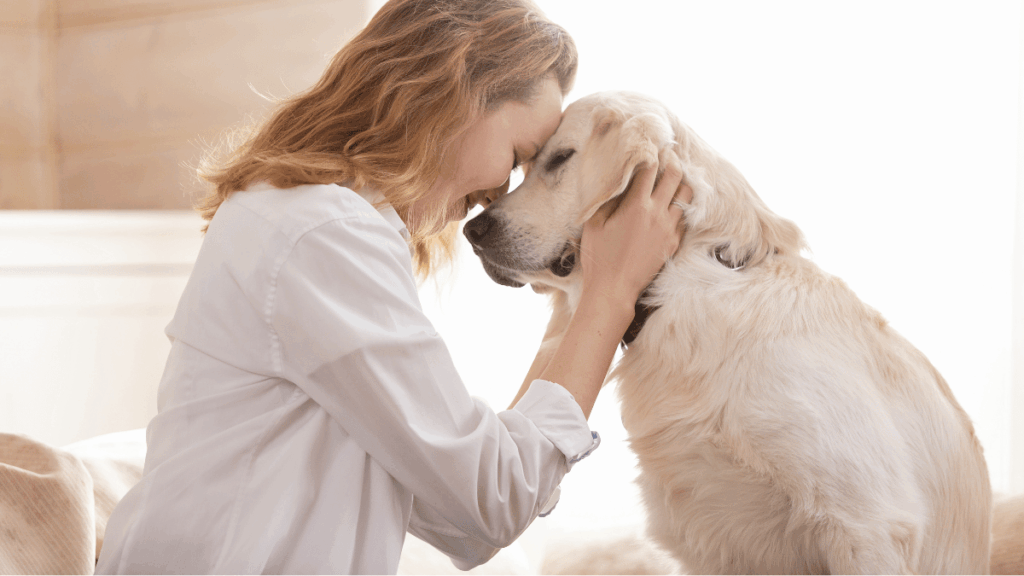
Activities that often make anxiety worse
Even if they’re popular, some enrichment styles are a poor fit for anxious dogs.
Be cautious with:
- Complex puzzle toys
- Timed challenges
- High-energy problem solving
- Activities that require frustration to succeed
If the dog can’t “finish” calmly, the activity is not appropriate.
The importance of recovery time
Anxious dogs need space after mental activity.
Signs recovery is happening:
- The dog lies down on their own
- Breathing slows
- Body posture softens
If recovery doesn’t happen, scale the activity back next time.
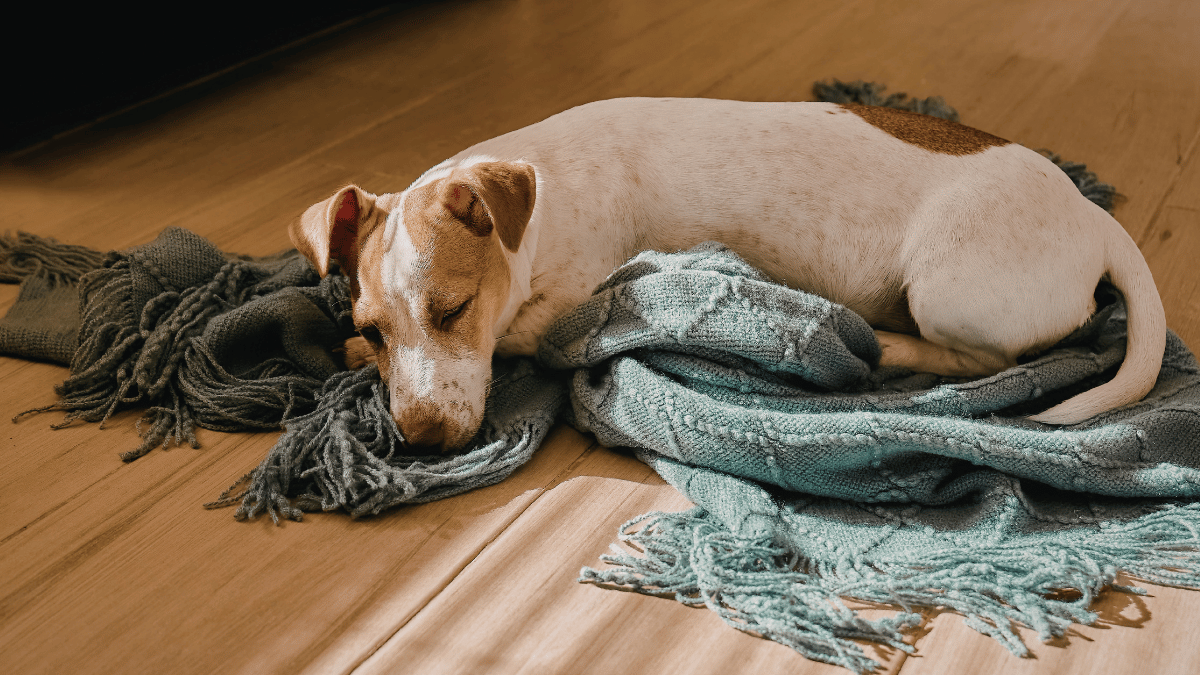
How much mental stimulation is enough
For anxious dogs, less is often more.
A realistic approach:
- One or two brief activities per day
- End sessions early, not late
- Prioritize consistency over variety
Mental stimulation should fit into daily life, not become another stressor.